 4.9★ RATING — 342 REVIEWS
 LOCAL DELIVERY — 30KM BRISBANE
 OPEN 7 DAYS · DARRA QLD
 AFTERPAY & ZIPPAY AVAILABLE
 Free delivery to Gold Coast on orders over $ 1,000

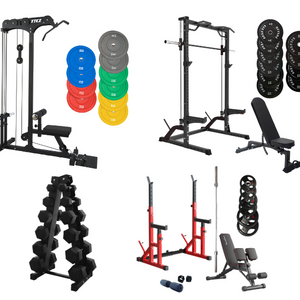
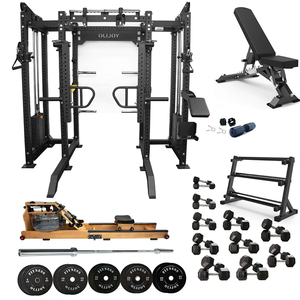
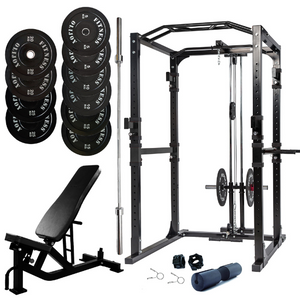
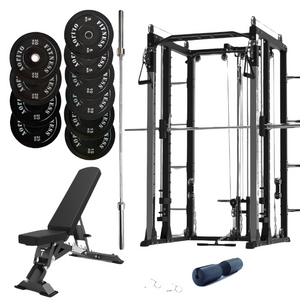
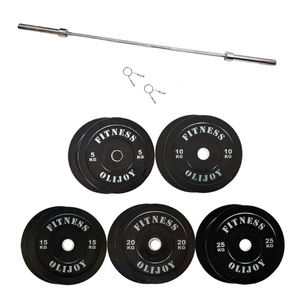
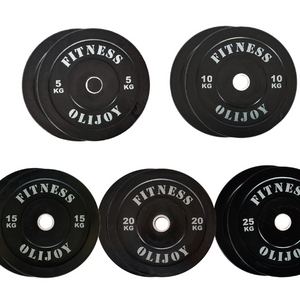
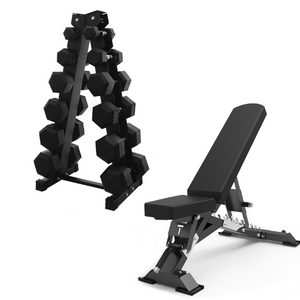
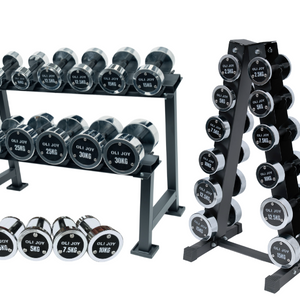
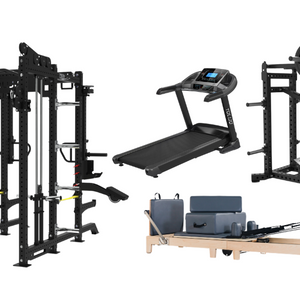
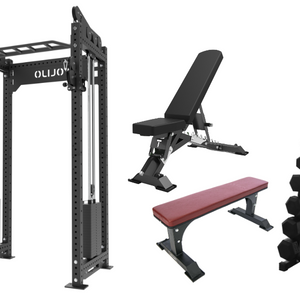
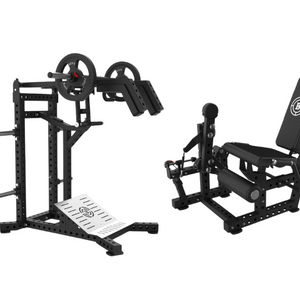
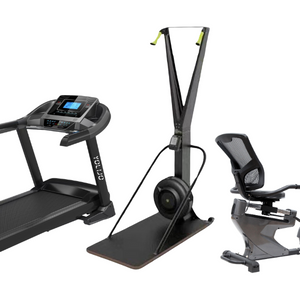
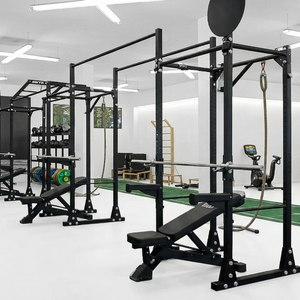
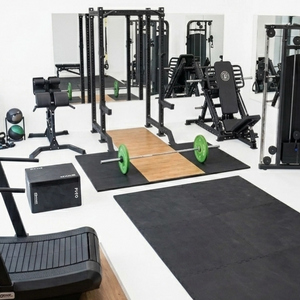
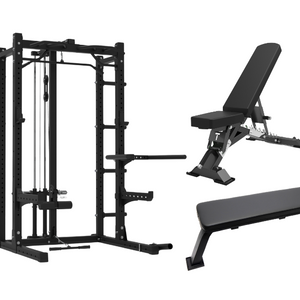
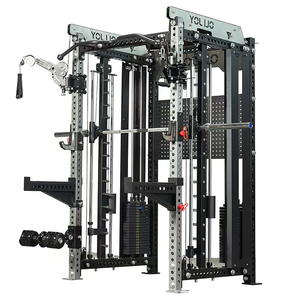
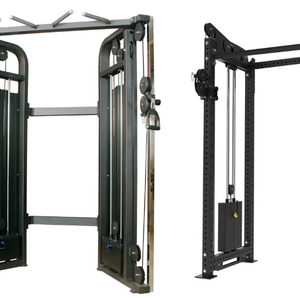
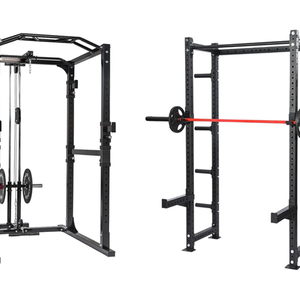
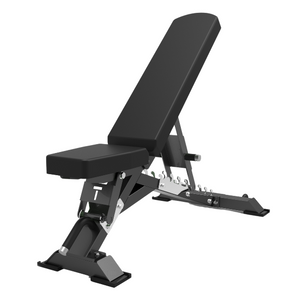
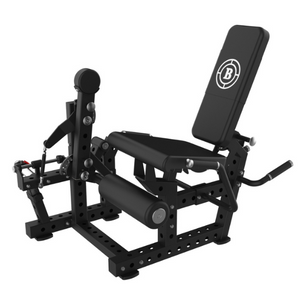
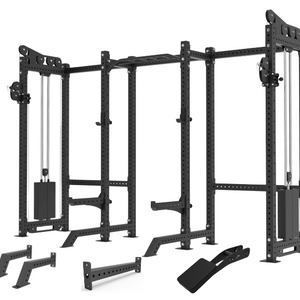
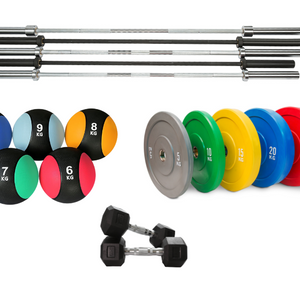
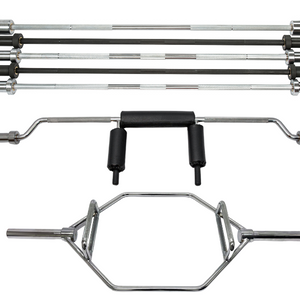
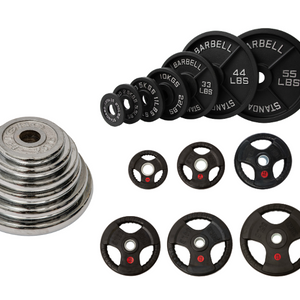
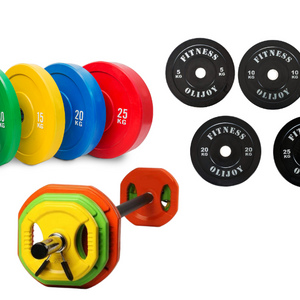
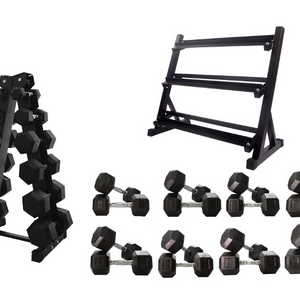
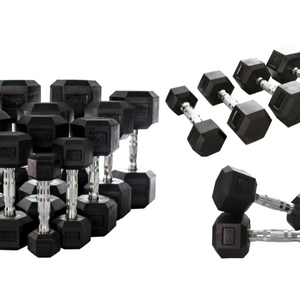
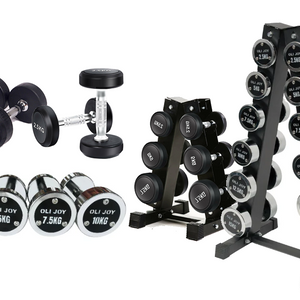
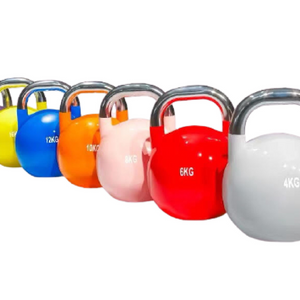
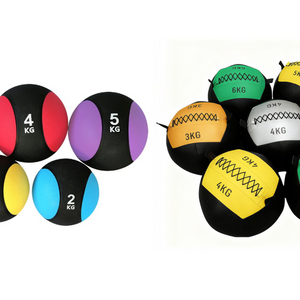
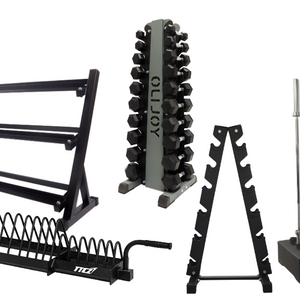
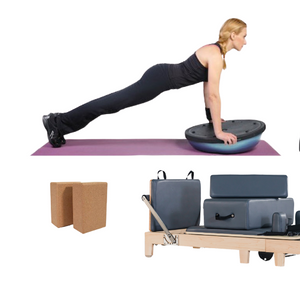
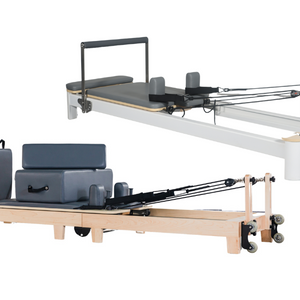
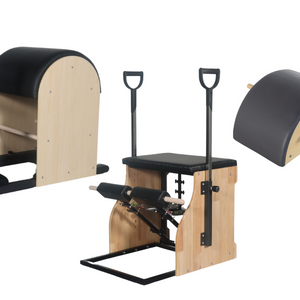
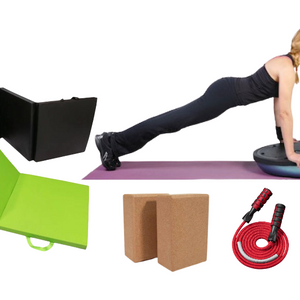
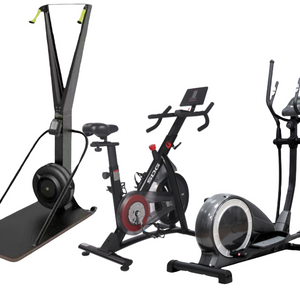
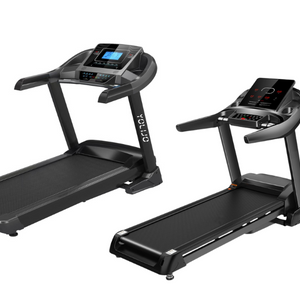
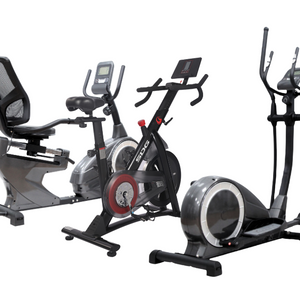
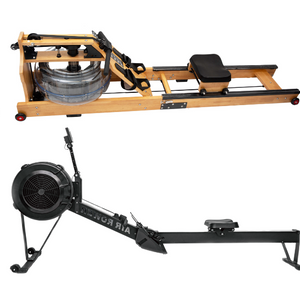
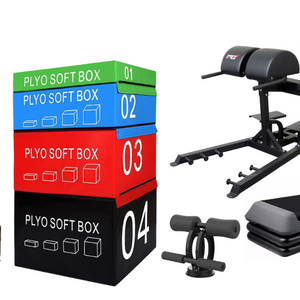
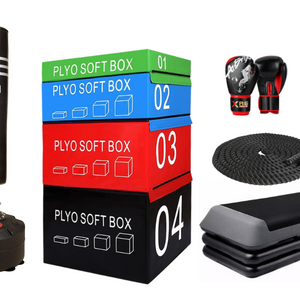
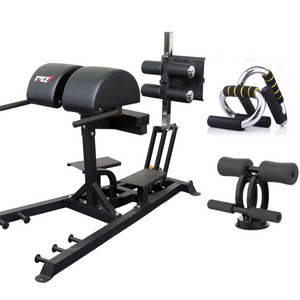
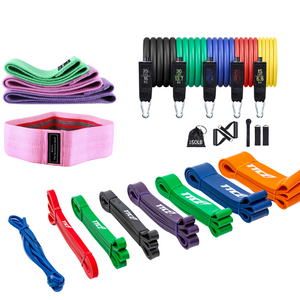

Trying to work out the real commercial gym fitout cost in Australia businesses should expect in 2026? You are not alone. Many gym owners, PTs, schools, developers and business operators start with one big question: “How much will this actually cost?” This guide breaks down the major cost areas, facility types, equipment needs and planning steps so you can budget with more confidence before speaking to a fitout supplier.
What Is a Commercial Gym Fitout?
A commercial gym fitout is the process of planning, supplying and setting up a fitness space for business, community or shared use. It can include gym equipment, flooring, mirrors, storage, layout planning, delivery, installation and safety considerations.
A gym fitout is different from buying a few machines for personal use. Commercial spaces need to support multiple users, daily wear, safe movement, easy cleaning and a clear workout flow. The equipment also needs to suit the type of facility being built.
A commercial gym fitout may be needed for:
- Personal training studios
- 24/7 gyms
- Strength and conditioning centres
- Apartment gyms
- Corporate wellness rooms
- School gyms
- Sports club training rooms
- Physiotherapy or rehab spaces
- Boutique fitness studios
- Hotel gyms
When people search for commercial gym fitout cost in Australia, they are usually trying to understand the full project cost before committing to a supplier. The answer is not always simple because every facility has different space, user numbers, training styles and business goals.

Why Gym Fitout Costs Vary So Much
Gym fitout costs vary because every project is different. The size of the space is only one part of the total cost. The quality of equipment, flooring type, delivery needs, installation requirements and layout complexity can all change the final budget.
A small studio can cost much less than a full commercial gym because it serves fewer people at one time. A large fitness centre needs more equipment, more floor coverage, stronger storage systems and a wider mix of training zones.
The main cost factors include:
Size of the Facility
A larger space usually needs more equipment, more flooring and more planning. However, a small premium studio can still be expensive if it uses high-end equipment.
Type of Training Offered
A strength gym, Pilates studio, boxing gym and cardio-focused gym will all have different needs. Strength spaces often need racks, plates and platforms. Cardio spaces may need treadmills, bikes, rowers, and cross-trainers.
Equipment Quality
Commercial-grade equipment generally costs more than home-use equipment, but it is designed for higher use and longer service life.
Flooring Requirements
Flooring can be a major cost, especially in free-weight zones, sled tracks, functional training areas, and high-traffic spaces.
Installation and Delivery
A gym fitout project in Brisbane may be easier to manage if your supplier has local stock, local delivery support, or a Brisbane-based team. Delivery access, stairs, lifts, parking and installation time can affect the final cost.
Building Works
Some projects also need electrical work, air conditioning, lighting, plumbing, painting, signage or wall changes. These costs are separate from equipment in many cases.
User Volume
A small PT studio may only need equipment for a few users at a time. A large commercial gym needs enough equipment to reduce waiting times during peak hours.
Commercial Gym Fitout Cost Australia: 2026 Estimate Table
As a broad guide, Australian commercial gym fitouts in 2026 can range from about $50,000 for a small studio to $500,000+ for a larger full-service facility. Some sources place small PT studios from around $50,000–$80,000, while larger commercial or franchise-style gyms can reach $500,000 or more.
| Facility Type | Estimated 2026 Fitout Range | Best Suited For |
|---|---|---|
| Small PT Studio | $50,000–$120,000 | Personal trainers, boutique studios, small group training |
| Apartment Gym | $30,000–$100,000 | Developers, body corporates, residential buildings |
| School Gym | $40,000–$150,000 | Schools, colleges, sports programs |
| Corporate Gym | $40,000–$120,000 | Offices, workplace wellness rooms |
| Boutique Fitness Studio | $80,000–$250,000 | Functional training, HIIT, strength clubs |
| Mid-Size Commercial Gym | $150,000–$350,000 | Independent gyms, mixed training facilities |
| Large Commercial Gym | $350,000–$500,000+ | 24/7 gyms, large fitness centres, franchise-style facilities |

Cost Breakdown by Facility Type
1. PT Studio Fitout Cost
A personal training studio usually needs a compact but flexible setup. The goal is to support one-on-one training, small-group sessions, and functional movement.
Estimated range: $50,000–$120,000
Common inclusions:
- Power rack or half rack
- Adjustable benches
- Dumbbells and storage racks
- Barbells and weight plates
- Cable machine or functional trainer
- Kettlebells
- Medicine balls
- Resistance bands
- Plyo boxes
- Rubber flooring
- Mirrors
- Storage
A PT studio does not always need lots of cardio machines. Many trainers prefer multi-use equipment because it allows them to train different clients in a small space.
2. Apartment Gym Fitout Cost
Apartment gyms are designed for residents, not commercial memberships. They usually need simple, safe and low-maintenance equipment.
Estimated range: $30,000–$100,000
Common inclusions:
- Treadmill
- Exercise bike
- Cross trainer
- Dumbbell rack
- Adjustable bench
- Cable machine
- Stretching mats
- Functional trainer
- Rubber flooring
- Wall mirrors
- Clear safety signage
Apartment gyms should be easy for people of different fitness levels to use. Equipment should be durable, simple and not too intimidating.
3. Commercial Gym Fitout Cost
A full commercial gym needs to serve more users at once. This means a larger equipment mix, stronger flooring, better traffic flow and more training zones.
Estimated range: $150,000–$500,000+
Common inclusions:
- Multiple cardio machines
- Pin-loaded machines
- Plate-loaded machines
- Cable stations
- Power racks
- Smith machine
- Dumbbell sets
- Barbells and plates
- Benches
- Functional training zone
- Storage systems
- Rubber flooring
- Mirrors
- Accessories
- Delivery and installation
A commercial gym requires careful planning so members can move easily between zones. Poor layout can reduce the value of even good equipment.
4. School Gym Fitout Cost
A school gym needs to balance safety, durability and ease of supervision. Equipment should suit students, sports teams and different ability levels.
Estimated range: $40,000–$150,000
Common inclusions:
- Strength racks
- Benches
- Dumbbells
- Weight plates
- Cardio machines
- Functional training equipment
- Mats
- Storage
- Rubber flooring
- Clear open training zones
Schools may need equipment to support PE classes, strength and conditioning, athletic development, and general student fitness. Safety and supervision should be a major part of the planning.

How Much Does It Cost to Start a Gym in Australia?
When asking how much it costs to start a gym in Australia, it is important to look beyond the fitout itself. Equipment and flooring are only part of the total business setup.
Your wider gym startup cost may include:
- Lease bond
- Rent in advance
- Council or building approvals
- Insurance
- Legal setup
- Accounting setup
- Gym management software
- Website
- Branding and signage
- Marketing launch campaign
- Staff recruitment
- Cleaning supplies
- Security system
- Access control
- Air conditioning
- Lighting
- Electrical work
- Plumbing or bathroom upgrades
- Mirrors
- Reception setup
- Change room requirements
- Equipment finance or upfront purchase
For example, a PT studio may not need major change rooms or reception areas. A larger 24/7 gym may need access control, security cameras, member management software and more complex layout planning.
A realistic gym budget should separate costs into three categories:
1. Essential Opening Costs
These are the items you need before opening.
Examples:
- Equipment
- Flooring
- Insurance
- Lease costs
- Basic branding
- Website
- Payment system
- Cleaning and safety supplies
2. Nice-to-Have Costs
These improve the experience but may not be required on day one.
Examples:
- Premium signage
- Extra machines
- Digital screens
- Recovery area
- Coffee bar
- Advanced lighting
- Extra storage
3. Growth Costs
These can be added once the business grows.
Examples:
- More machines
- Additional cardio equipment
- Recovery tools
- Extra classes
- Expanded training zones
This staged approach can help reduce upfront pressure while still creating a strong customer experience.
Step-by-Step Gym Fitout Planning Process
Step 1: Define the Facility Type
Start by deciding what kind of gym you are building.
Examples:
- PT studio
- Apartment gym
- School gym
- Commercial gym
- Corporate gym
- Strength studio
- Mixed-use fitness space
This will shape the equipment list and layout.
Step 2: Confirm Your Budget Range
Set a realistic budget before choosing equipment. Include equipment, flooring, delivery, installation and any building works.
Step 3: Measure the Space
Record the full floor size, ceiling height, door width and access points. This helps avoid delivery and layout issues.
Step 4: Choose Training Zones
Common zones include:
- Free weights
- Machines
- Cardio
- Functional training
- Stretching
- Storage
- Reception
- Recovery
Step 5: Build Your Equipment List
Choose equipment based on the number of users and training style. Avoid overfilling the space.
Step 6: Plan Flooring
Select flooring based on use. Heavy weights need stronger flooring than cardio or stretching areas.
Step 7: Check Safety and Flow
Users should be able to move safely between zones. There should be enough space around racks, machines and benches.
Step 8: Review Delivery and Installation
Plan how the equipment will arrive, where it will be unloaded and who will install it.
Step 9: Stage the Fitout If Needed
You may not need everything on day one. Start with the essentials and add more equipment as the business grows.
Step 10: Get a Fitout Quote
Once your space, goals and equipment needs are clear, ask for a detailed quote.
Equipment Checklist by Facility Type
PT Studio Equipment Checklist
- Power rack or half rack
- Adjustable bench
- Dumbbell set
- Barbell and plates
- Cable machine
- Kettlebells
- Resistance bands
- Medicine balls
- Mats
- Rubber flooring
- Storage rack
Apartment Gym Equipment Checklist
- Treadmill
- Exercise bike
- Cross trainer
- Dumbbells
- Adjustable bench
- Functional trainer
- Stretching mats
- Mirrors
- Rubber flooring
- Safety signage
Commercial Gym Equipment Checklist
- Multiple cardio machines
- Pin-loaded machines
- Plate-loaded machines
- Cable stations
- Smith machine
- Power racks
- Dumbbells
- Barbells
- Plates
- Benches
- Storage
- Flooring
- Accessories
School Gym Equipment Checklist
- Strength racks
- Benches
- Dumbbells
- Weight plates
- Mats
- Cardio machines
- Functional equipment
- Storage
- Flooring
- Supervision-friendly layout
Final Thoughts
The honest answer is that the commercial gym fitout cost in Australia projects can vary widely. A small PT studio may sit around the lower end of the range, while a full commercial gym can require a much larger investment. The right budget depends on your facility type, equipment needs, flooring, number of users, and business goals.
For Brisbane-based businesses, a local supplier can make planning, delivery and support easier. Oli Joy works with home gym, studio and commercial gym buyers and can help you compare equipment options for your space, goals and budget.
Frequently Asked Questions
What equipment does a PT studio need?
A PT studio usually needs a power rack or half rack, an adjustable bench, dumbbells, barbells, plates, kettlebells, resistance bands, a cable machine, mats, storage, and rubber flooring. The best setup should support one-on-one training, small-group sessions, and full-body workouts without overcrowding the space.
How long does a gym fitout take?
A gym fitout can take a few weeks to several months, depending on the project's size and complexity. A small PT studio may be faster if the space is ready and the equipment is available. Larger commercial gyms may take longer due to layout planning, building works, delivery and installation.
How much does it cost to start a gym in Australia?
Starting a gym in Australia may cost from under $100,000 for a small studio to several hundred thousand dollars for a larger facility. Your total startup cost should include equipment, flooring, rent, insurance, software, signage, marketing, delivery, installation and any required building work.
What is included in the commercial gym equipment cost?
Commercial gym equipment cost may include cardio machines, strength machines, racks, benches, dumbbells, barbells, plates, functional training gear, accessories and storage. It may not always include flooring, delivery, installation or building works, so it is important to ask for a detailed quote.
Is a gym fitout in Brisbane project cheaper with a local supplier?
A Brisbane-based supplier may help reduce delays and simplify delivery, especially if stock is held locally. It may also make communication and project planning easier.
Planning a studio, school gym, apartment gym or commercial fitness space? Oli Joy Fitness can help.
Get a free commercial gym fitout quote from Oli Joy’s Brisbane team
Get A Quote


)