 4.9★ RATING — 342 REVIEWS
 LOCAL DELIVERY — 30KM BRISBANE
 OPEN 7 DAYS · DARRA QLD
 AFTERPAY & ZIPPAY AVAILABLE
 Free delivery to Gold Coast on orders over $ 1,000

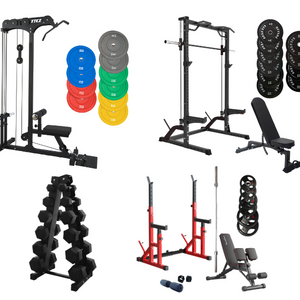
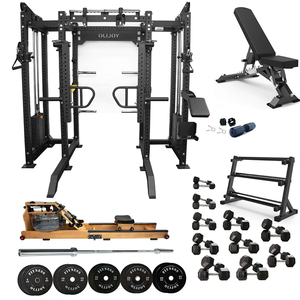
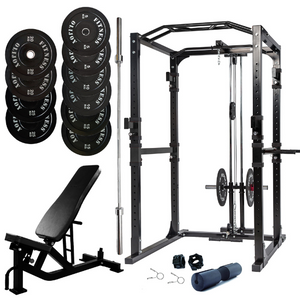
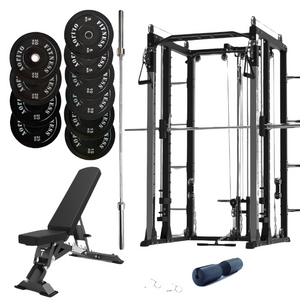
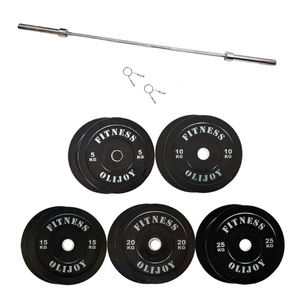
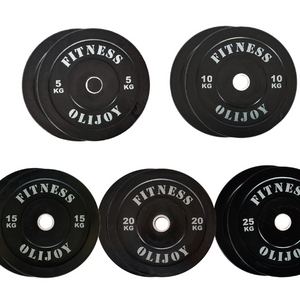
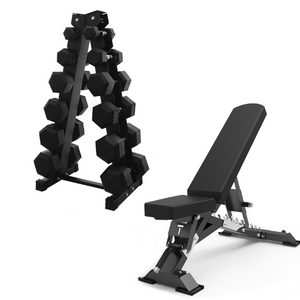
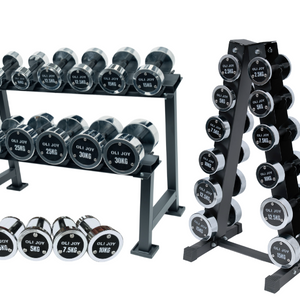
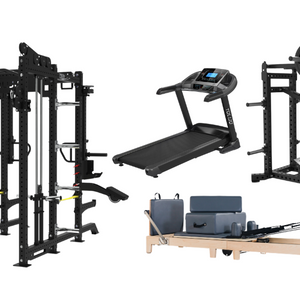
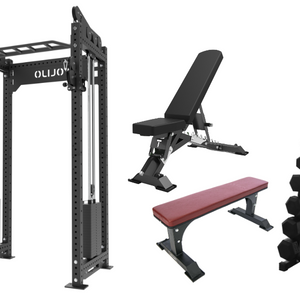
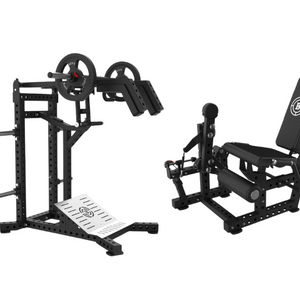
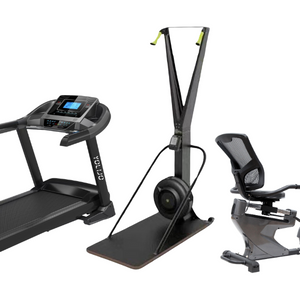
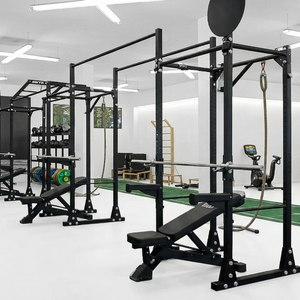
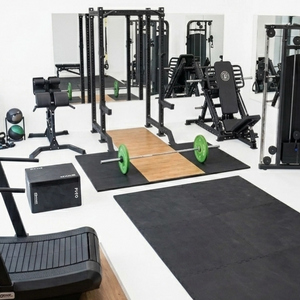
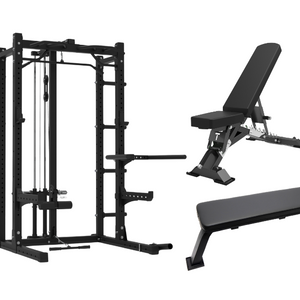
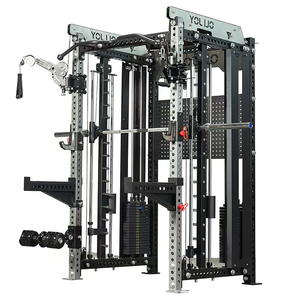
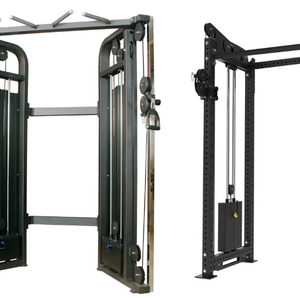
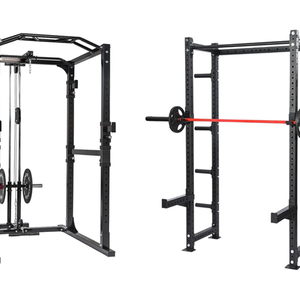
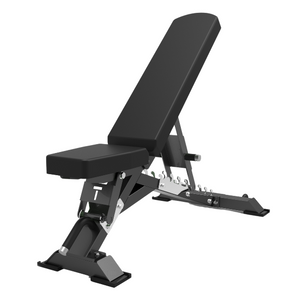
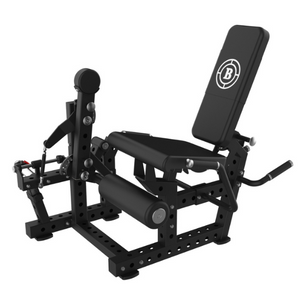
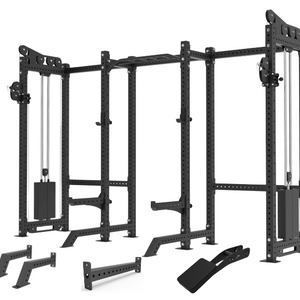
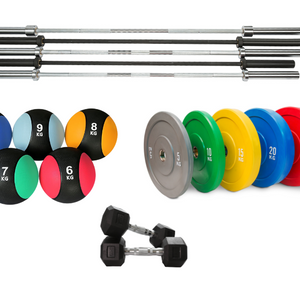
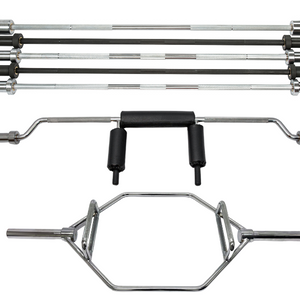
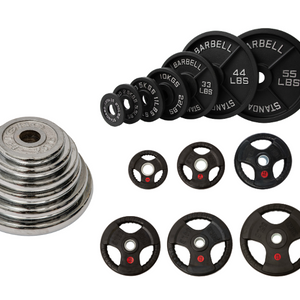
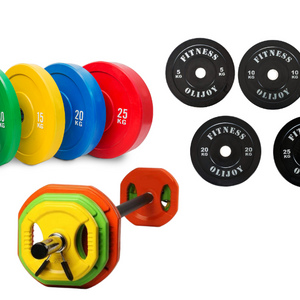
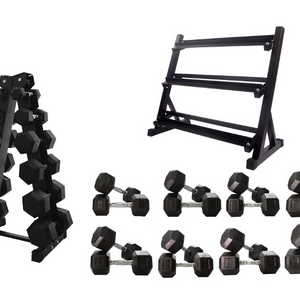
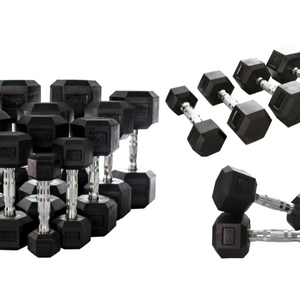
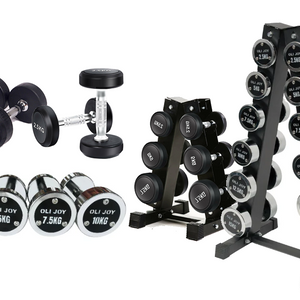
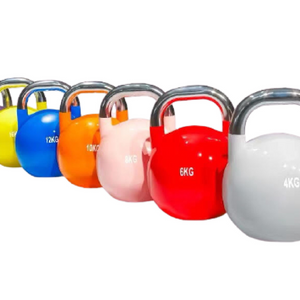
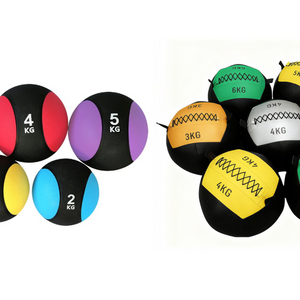
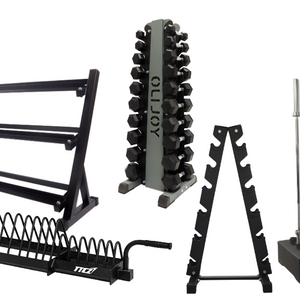
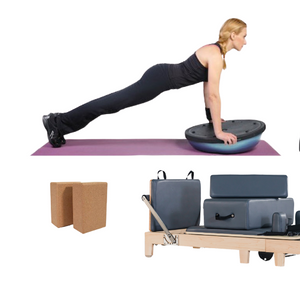
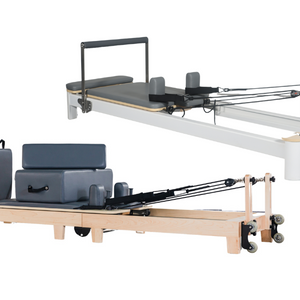
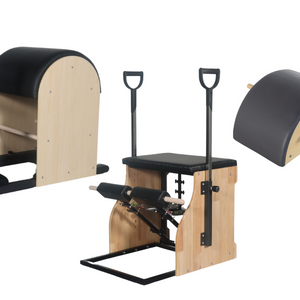
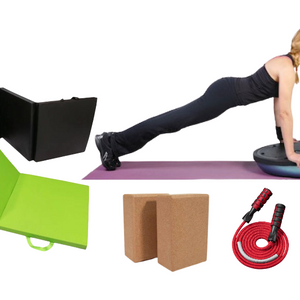
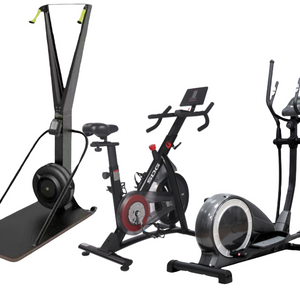
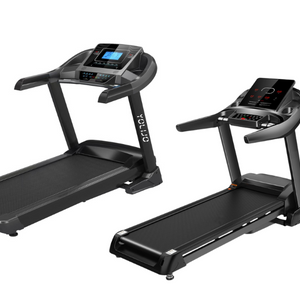
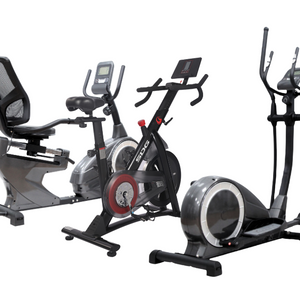
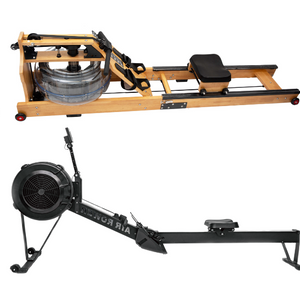
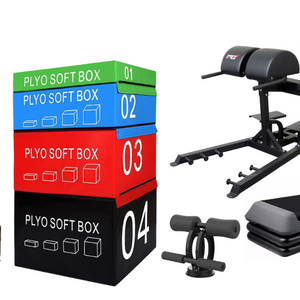
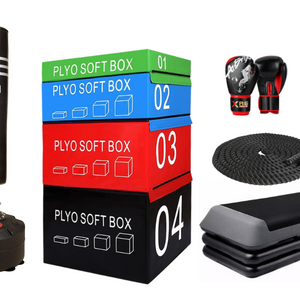
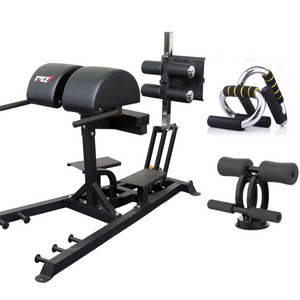
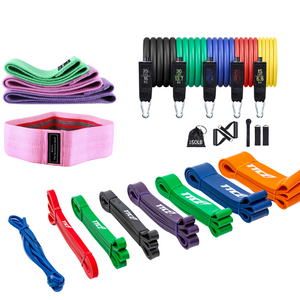

Wondering how to set up a home gym without overspending or filling your home with equipment you may never use? You are not alone. Many Australians are now looking for simple ways to train at home, save time and stay consistent. This complete 2026 guide covers planning, equipment, layout, budget, safety and practical tips to help you build a home gym that suits your space and lifestyle.
What Is a Home Gym?
A home gym is a personal workout space set up inside your home, garage, apartment, shed or outdoor covered area. It can be simple or advanced depending on your goals, space and budget. Some people start with a yoga mat, resistance bands and dumbbells. Others create a full training space with a rack, bench, barbell, weight plates and cardio equipment.
The main purpose of a home gym is convenience. Instead of travelling to a gym, waiting for or working around opening hours, you have access to your own training space whenever it suits you.
A good home gym does not need to look like a commercial fitness centre. It only needs to help you train safely and consistently. For one person, that may mean a small storage corner in the garage. For another, it may mean a full family fitness area with weights, machines and cardio options.
When people search for how to set up a home gym, they are usually trying to answer practical questions such as:
- What equipment do I actually need?
- How much space is enough?
- How much should I spend?
- Can I use a garage or spare room?
- What is best for beginners?
- How do I avoid buying the wrong gear?
The best answer depends on your fitness goal. A person who wants to build muscle will need different equipment from someone who wants light cardio, mobility work, or weight-loss support. That is why planning should always come before shopping.

Why More Australians Are Building Home Gyms
A home gym can make fitness easier to fit into daily life. Between work, family, traffic and other commitments, many people find it hard to travel to a gym several times per week. Training at home removes many of these barriers.
A practical home gym setup in Australia that helps users train more often, without making workouts feel complicated. It should be easy to access, safe to use and built around exercises you enjoy.
-
Saves Time
A gym session often takes longer than the workout itself. You may need to drive, park, check in, wait for equipment, shower and travel home. With a home gym, even a short 20-minute workout becomes easier to complete. -
Supports Consistency
The easier it is to exercise, the more likely you are to keep doing it. Having equipment at home gives you fewer excuses. You can train early in the morning, during lunch, after work or while the kids are occupied. -
Gives You Privacy
Not everyone feels comfortable in a public gym. Beginners may feel unsure about technique, equipment or other people watching. A home gym gives you privacy to learn, practise and build confidence. -
Can Save Money Over Time
A home gym has upfront costs, but it may reduce long-term spending on memberships, travel and parking. If you choose equipment carefully, it can serve you for years. -
Works for Different Fitness Levels
A home gym can suit beginners, experienced lifters, parents, couples and families. The key is choosing equipment that can be adjusted or used in different ways. -
Let's You Train Your Way
You can play your own music, follow your own routine and set up your space the way you like. This makes training feel more personal and enjoyable.
How to Set Up a Home Gym: Step-by-Step Guide
This section gives you a clear, numbered process for planning and building your home gym.
Step 1: Decide Your Main Fitness Goal
Before buying any equipment, ask yourself what you want your home gym to help you achieve.
Your goal may be:
- Building strength
- Losing weight
- Improving general fitness
- Training for sport
- Staying active while working from home
- Replacing a gym membership
- Creating a shared family fitness space
- Adding simple movement into your daily routine
Your answer will guide every choice after this.
For example, if your goal is strength training, you may need dumbbells, a bench, a rack, a barbell and weight plates. If your goal is general fitness, you may prefer a bike, resistance bands, dumbbells and a mat. If your goal is mobility or low-impact training, you may need stretching mats, bands, light weights and balance tools.
Step 2: Choose the Right Space
Possible home gym locations include:
- Garage
- Spare bedroom
- Study
- Patio
- Shed
- Apartment corner
- Laundry area
- Carport
- Outdoor covered area
A good home gym setup in Australia for homeowners should also consider heat, airflow, and flooring. Garages and sheds can become hot in summer, so ventilation is important.
Step 3: Set a Realistic Budget
Your budget should include:
- Main equipment
- Flooring
- Storage
- Delivery
- Assembly
- Safety accessories
- Fans or lighting
- Maintenance items
If you are building a home gym on a budget, start with equipment that offers the most exercise options. This usually means adjustable dumbbells, resistance bands, a mat and a bench. A simple starter setup can be enough for full-body workouts. You can add heavier weights, racks or cardio machines later as your training improves.
Step 4: Create a Basic Home Gym Equipment List
Your home gym equipment list should match your training style. However, most beginners can start with a few core items.
A simple starter list may include:
- Exercise mat
- Resistance bands
- Adjustable dumbbells
- Kettlebell
- Adjustable bench
- Skipping rope
- Foam roller
- Storage rack
For strength training, you may add:
- Barbell
- Weight plates
- Squat rack
- Power rack
- Bench press setup
- Weight collars
- Rubber flooring
For cardio, you may add:
- Exercise bike
- Treadmill
- Rower
- Cross trainer
- Skipping rope
- Step platform
For mobility and recovery, you may add:
- Stretching mat
- Foam roller
- Massage ball
- Light bands
- Balance pad
Your first home gym equipment list does not need to be long. It should simply allow you to train your whole body safely.
Step 5: Plan the Layout
A home gym should be easy to move around. Poor layout can make workouts frustrating and unsafe.
Try to divide your space into zones:
-
Strength Zone
This is where you keep your weights, bench, rack and barbell. Make sure the floor is stable, and there is enough room to lift safely. -
Cardio Zone
Place cardio equipment in an area with adequate airflow and clearance. A treadmill, bike or rower should not block walkways. -
Mobility Zone
This is your mat area for stretching, warm-ups, cool-downs and core work. Even a small mat space can make the gym more useful. -
Storage Zone
Storage helps keep the space tidy. Use racks, shelves and wall hooks where possible.
Step 6: Choose Flooring That Suits Your Training
Flooring protects your home and makes training safer. The right option depends on the type of equipment you use.
Common home gym flooring options include:
- Rubber mats
- Interlocking gym tiles
- Rubber rolls
- Foam tiles for light training
- Lifting platforms
- Artificial turf strips for sled work or conditioning
If you plan to lift weights, rubber flooring is usually better than foam. Foam may be suitable for stretching, Pilates or bodyweight workouts, but it may not handle heavy dumbbells or plates.
Step 7: Add Storage Early
Storage is not just about appearance. It also improves safety and makes workouts smoother.
Useful storage options include:
- Dumbbell racks
- Plate trees
- Wall-mounted hooks
- Barbell holders
- Shelving units
- Storage baskets
- Cable attachment stands
If you are working with a small area, vertical storage is your friend. Keeping equipment off the floor makes the space feel larger and safer.
Step 8: Think About Comfort
If your gym feels uncomfortable, you may avoid using it. Small improvements can make a big difference.
Consider adding:
- Fan
- Good lighting
- Mirror
- Speaker
- Towel rack
- Water bottle station
- Cleaning wipes
- Clock or timer
- Whiteboard for workouts

Home Gym Equipment List for Beginners
A beginner home gym equipment list should focus on equipment that is easy to use, safe and flexible.
Essential Starter Items
-
Exercise Mat
A mat gives you a dedicated area for stretching, warm-ups, bodyweight exercises and core work. It also protects your knees and back during floor exercises. -
Resistance Bands
Bands are affordable, light and easy to store. They are useful for warm-ups, strength training, stretching and assisted movements. -
Adjustable Bench
A bench adds more exercise options. You can use it for chest press, shoulder press, rows, step-ups and seated exercises. -
Kettlebell
A kettlebell is useful for swings, squats, carries, presses and conditioning workouts. -
Cardio Option
This could be a bike, treadmill, rower, cross trainer or skipping rope. Choose something you enjoy, because the best cardio equipment is the one you will actually use. -
Storage
Even a small rack or shelf can keep your workout area organised.
Home Gym Ideas for Different Spaces
Garage Home Gym
A garage is one of the most popular options because it often has more space and a solid floor.
Best equipment for a garage:
- Power rack
- Barbell and plates
- Bench
- Rubber flooring
- Dumbbell rack
- Cardio machine
- Wall storage
Spare Room Home Gym
A spare room is great for a clean, quiet and easy-to-use setup.
Best equipment for a spare room:
- Adjustable dumbbells
- Foldable bench
- Resistance bands
- Exercise bike
- Mat
- Storage rack
Apartment Home Gym
Apartment gyms need to be quiet, compact and easy to pack away.
Best equipment for an apartment:
- Resistance bands
- Adjustable dumbbells
- Exercise mat
- Foldable bench
- Compact bike
- Foam roller
Outdoor Covered Home Gym
A patio or covered area can work well if your equipment is protected from the weather.
Best equipment for outdoor covered areas:
- Mat
- Dumbbells
- Kettlebells
- Resistance bands
- Storage box
- Bodyweight equipment
Small Corner Home Gym
Even one corner of a room can become a useful workout area.
Best equipment for a small corner:
- Mat
- Bands
- Adjustable dumbbells
- Wall hooks
- Foldable bench

How to Build a Home Gym on a Budget
Building a home gym on a budget does not mean buying poor-quality equipment. It means buying smart and choosing items that give you the most value.
-
Start Small
Begin with equipment that supports full-body training. A mat, dumbbells and resistance bands can already give you many workout options. -
Choose Multi-Use Equipment
Multi-use equipment saves money and space. Dumbbells, bands, benches and kettlebells are useful for many exercises. -
Avoid Buying for Motivation Alone
Do not buy a large machine because you think it will force you to exercise. Build the habit first, then upgrade. -
Focus on Quality Where It Matters
Spend carefully on items that affect safety, such as racks, benches, flooring and weight collars. -
Use Bundles When They Make Sense
Bundles can be helpful when they include items you already planned to buy. They can also make it easier to build a complete setup without having to choose every item separately.
Flooring, Storage and Safety Tips
A safe home gym should be clean, stable and easy to move around.
Flooring Tips
- Use rubber flooring for weights
- Use a mat for stretching
- Avoid slippery surfaces
- Add extra protection under racks
- Make sure machines sit level
Storage Tips
- Keep dumbbells on racks
- Store plates on a plate tree
- Hang bands on hooks
- Keep attachments together
- Return equipment after use
Safety Tips
- Warm up before training
- Keep walkways clear
- Use collars on barbells
- Do not overload equipment
- Learn correct technique
- Keep children away from weights
- Check bolts and parts regularly
- Use safety arms when lifting heavy
Final Thoughts
Use a simple home gym equipment list to avoid overbuying. Explore practical home gym ideas for your garage, spare room, apartment or outdoor space. If you are creating a home gym on a budget, start small and upgrade as your routine grows. You can also explore Oli Joy’s home gym range when you are ready to compare equipment options and plan the next stage of your setup. Also, explore gym bundles and packages.
Frequently Asked Questions
What equipment do I need for a home gym?
For a basic home gym, you need an exercise mat, resistance bands, dumbbells, a bench and a simple cardio option. If you want to do strength training, you may also need a rack, a barbell, and weight plates. Your equipment should match your fitness goal, available space and budget.
How much does a home gym cost in Australia?
A basic home gym in Australia can start with a few hundred dollars if you choose mats, bands and dumbbells. A mid-range setup with a bench, rack and weights may cost more. A larger gym with machines, cardio equipment and flooring can cost several thousand dollars.
What size room do I need for a home gym?
You can start with a small corner if you use compact equipment such as bands, dumbbells and a mat. For racks, benches, barbells and machines, you need more floor space and ceiling clearance. Always measure your room before buying larger equipment.
What is the best home gym setup for beginners?
The best beginner setup includes a mat, resistance bands, adjustable dumbbells, a bench and a cardio option. This gives you enough variety for strength, mobility and fitness without making the space too crowded. Beginners should focus on simple, safe and easy-to-use equipment.
Can I build a home gym in a garage?
Yes, a garage is a great place for a home gym. It usually has more floor space and a strong surface. Add rubber flooring, storage, lighting and airflow to make it safer and more comfortable. Check the ceiling height before buying tall racks or machines.


