 4.9★ RATING — 342 REVIEWS
 LOCAL DELIVERY — 30KM BRISBANE
 OPEN 7 DAYS · DARRA QLD
 AFTERPAY & ZIPPAY AVAILABLE
 Free delivery to Gold Coast on orders over $ 1,000

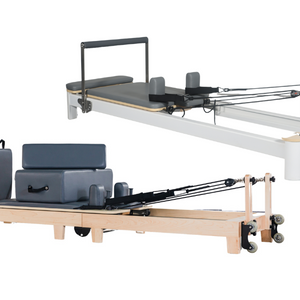
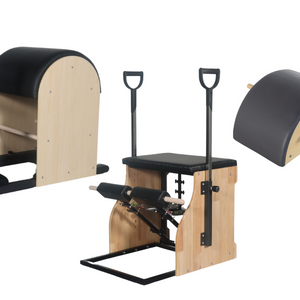
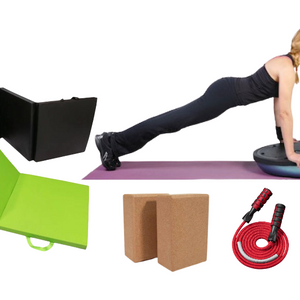
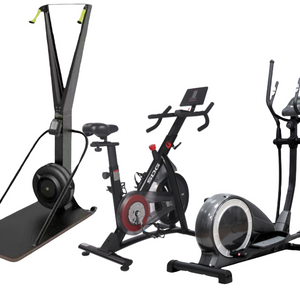

Searching for a Pilates reformer for sale in Australia because your current equipment no longer feels right? Your reformers may still look usable, but small issues can affect safety, client comfort and class quality. This guide explains the five key signs your Pilates studio may need a reformer upgrade in 2026, plus what to look for before investing in new equipment.
What Is a Pilates Reformer?
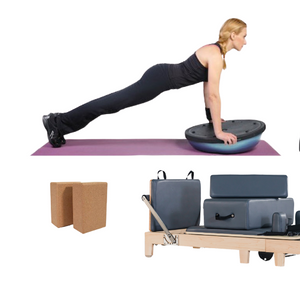
A Pilates reformer is a spring-based resistance machine used for Pilates exercises. It usually includes a sliding carriage, adjustable springs, straps, pulleys, shoulder rests, a footbar and a frame. The user performs controlled movements while the spring resistance helps build strength, flexibility, balance and body control.
Reformers are used in Pilates studios, wellness centres, physiotherapy spaces and home gyms. They can support beginner-friendly movements, advanced Pilates training, mobility work and low-impact strength exercises.
For studio owners, the right reformer affects how smoothly classes run, how comfortable clients feel and how professional the studio looks. If you are comparing studio Pilates equipment, the reformer is usually one of the most important investments.

Why Your Pilates Reformer Setup Matters
A Pilates studio relies heavily on the quality of its equipment. Clients notice when a reformer feels smooth, stable and easy to use. They also notice when it squeaks, sticks, wobbles or feels worn out.
A poor reformer experience can affect:
- Client confidence
- Class flow
- Instructor timing
- Safety
- Comfort
- Studio reputation
- Repeat bookings
- Perceived value
If you run group classes, equipment issues can quickly interrupt the session. If one reformer is harder to adjust than the others, the instructor may need to stop and help. If a spring system feels inconsistent, clients may not get the right training experience.
This is why many studio owners and committed home users search for a Pilates reformer upgrade before their old equipment completely fails.
Sign 1: Your Current Reformers Feel Unstable or Noisy
One of the clearest signs you need a Pilates reformer upgrade is instability. If the carriage shakes, the frame moves, or the machine makes loud noises during class, it may be time to reassess your setup.
Common warning signs include:
- Squeaking during movement
- A carriage that does not glide smoothly
- Loose or shaky parts
- Worn wheels
- Noisy springs
- Unstable footbar
- Straps that no longer move evenly
- Clients feeling unsure during exercises
Some noise can be addressed with maintenance, but persistent issues may indicate the equipment is nearing the end of its practical life. In a studio environment, reformers are used more often than home machines.
Sign 2: Clients Are Complaining About Comfort
Client comfort is a major part of the Pilates experience. Even if your classes are well structured, uncomfortable equipment can affect how clients feel during and after the session.
You may need to review your studio Pilates equipment if clients mention:
- Hard or worn padding
- Uncomfortable headrests
- Shoulder rests that do not feel supportive
- Straps that feel rough or uneven
- Footbars that are difficult to adjust
- Carriages that feel jerky
- Lack of space for taller users
- Difficulty getting on and off the machine

Sign 3: Your Reformers Are Slowing Down Class Flow
In a busy Pilates studio, every minute matters. If your instructor spends too much time adjusting equipment, fixing straps or helping clients manage older reformers, your class flow can suffer.
This may be a sign that your studio needs a Pilates reformer upgrade.
Common class flow issues include:
- Footbars are taking too long to adjust
- Springs are hard to change
- Straps needing frequent correction
- Carriages sticking mid-session
- Clients needing help with basic setup
- Machines feel different from one another
- Limited adjustability for different body types
Sign 4: Your Equipment No Longer Matches Your Studio Growth
Your first reformers may have been suitable when your studio opened. But as your client base grows, your equipment needs may change.
You may have outgrown your current setup if:
- Classes are busier than before
- More clients are booking reformer sessions
- You are adding new class types
- Instructors need more consistent machines
- Your studio wants a more premium look
- You are moving into a larger space
- You are expanding from private sessions to group classes
Sign 5: Repairs Are Becoming Too Frequent
Maintenance is normal, but constant repairs can become expensive and disruptive. If your reformers regularly need attention, it may be more cost-effective to upgrade.
Signs repair costs are becoming a problem include:
- Springs need frequent replacement
- Wheels or rollers are wearing quickly
- Straps keep fraying
- The carriage does not glide properly
- Screws, bolts or fittings keep loosening
- Padding is cracking or tearing
- The frame no longer feels stable
- Downtime is affecting class bookings

What to Look for in a Pilates Reformer Upgrade
If you are searching for a Pilates reformer for sale in Australia, do not choose based on price alone. The right reformer should suit your needs, space, and clients.
Here are the key features to check.
-
Frame Strength
A strong frame helps the reformer feel stable. For studio use, look for a machine that can handle regular classes and a variety of user types. -
Smooth Carriage Movement
The carriage should glide smoothly without sticking, shaking or making loud noises. -
Spring Quality
Springs are central to reformer training. Look for reliable resistance, clear spring options and easy changes between exercises. -
Comfortable Padding
Padding should feel supportive, not too hard or too soft. Check the carriage, headrest and shoulder rests. -
Adjustable Footbar
A good footbar should be easy to adjust and secure in different positions. -
Strap and Pulley Quality
Straps should feel strong and comfortable. Pulleys should move smoothly. -
Space Requirements
Measure your studio before buying. Leave enough room between machines for clients and instructors to move safely. -
Foldable or Fixed Design
A foldable Pilates reformer may suit smaller rooms or multi-use spaces. A fixed commercial model may be better for a dedicated studio. -
Delivery and Assembly
Check whether the reformer can be delivered to your location and whether assembly support is available. -
Warranty and Support
For studio owners, warranty and after-sales support are important. Equipment problems can interrupt bookings, so reliable support matters.
Final Thoughts
If your current reformers feel unstable, uncomfortable, noisy, or hard to adjust, it may be time to consider upgrading your Pilates reformers. Good equipment can improve client comfort, class flow, safety and your studio’s professional image.
When comparing studio Pilates equipment, think beyond the upfront price. Look at stability, comfort, durability, adjustability, support and how often the reformer will be used.
A commercial Pilates reformer by Oli Joy Fitness may be the right choice for busy studios, while a foldable Pilates reformer may suit smaller spaces and serious home users. If you are searching for a Pilates reformer for sale in Australia, Oli Joy can help you compare practical options for your space, usage and training goals.
Frequently Asked Questions
How often should I replace a Pilates reformer?
A Pilates reformer should be replaced when it becomes unstable, uncomfortable, noisy or expensive to maintain. In a busy studio, reformers may wear faster because they are used by multiple clients each day. Regular maintenance can extend the machine's lifespan, but repeated repairs may signal that an upgrade is needed.
What is the difference between home and studio Pilates reformers?
A home Pilates reformer is usually designed for personal use, lighter training and smaller spaces. A studio or commercial Pilates reformer is built for more frequent use, stronger stability and multiple users. Studios should usually choose commercial-grade equipment because it is designed to handle regular classes and higher wear.
Is a commercial Pilates reformer worth it?
A commercial Pilates reformer can be worth it for studios, wellness centres and high-use environments. It may cost more upfront, but it usually offers better stability, durability and comfort. For businesses, reliable equipment can reduce downtime, support better classes and improve the client experience.
Can I use a foldable Pilates reformer in a studio?
A foldable Pilates reformer may suit small studios, private sessions or multi-use rooms. However, for busy group classes or daily commercial use, a fixed commercial reformer may be more suitable. Always check the build quality, weight capacity, stability and intended use before choosing a foldable model.
What should I look for when buying a Pilates reformer?
Look for a strong frame, smooth carriage movement, quality springs, comfortable padding, adjustable footbar, reliable straps and good after-sales support. If you are buying for a studio, choose equipment that can handle frequent use and different client body types.
Thinking about upgrading your studio or home Pilates setup?
Explore Oli Joy’s range of Pilates reformers for sale in Australia and compare options for your space, budget and training needs.
Contact Us


