 4.9★ RATING — 342 REVIEWS
 LOCAL DELIVERY — 30KM BRISBANE
 OPEN 7 DAYS · DARRA QLD
 AFTERPAY & ZIPPAY AVAILABLE
 Free delivery to Gold Coast on orders over $ 1,000

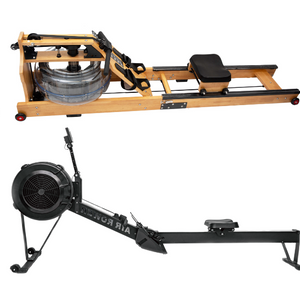

Trying to choose the right rowing machine in Australia for your home gym? The three most common choices are air, magnetic and water rowers. Each type gives you a full-body cardio workout, but the feel, noise, resistance and price can vary. This best rowing machine 2026 guide compares all three rowing machine types so you can choose the best fit for your space, fitness level and training goals.
What Is a Rowing Machine?
A rowing machine is a cardio machine that copies the movement of rowing a boat. You sit on a sliding seat, hold a handle and push with your legs while pulling with your arms and back. This movement trains the lower body, upper body, and core simultaneously.
A rowing machine can support many types of fitness goals, including:
- General fitness
- Weight loss
- Low-impact cardio
- Endurance training
- Strength conditioning
- Home gym workouts
- Full-body warm-ups
- High-intensity interval training

Why Rowing Machines Are Popular for Australian Home Gyms
Rowing machines have become a popular choice for home gyms because they offer a complete workout without needing a large amount of space. Many models can be stored upright or moved with transport wheels, making them suitable for garages, spare rooms and compact workout areas.
A rower is also a good option for people who want cardio without the heavy impact of running. Because you are seated, rowing can be easier on your joints than treadmill running while still providing a challenging workout.
You can use it for:
- Steady cardio sessions
- Short warm-ups before weights
- Sprint intervals
- Full-body conditioning
- Recovery sessions
- Fitness testing
- Circuit training
Air vs Magnetic vs Water Rowing Machine: Quick Comparison Table
| Feature | Air Rowing Machine | Magnetic Rowing Machine | Water Rowing Machine |
|---|---|---|---|
| Resistance Type | Air fan resistance | Magnetic resistance | Water tank resistance |
| Feel | Strong, responsive and performance-focused | Smooth, controlled and quiet | Natural, fluid and realistic |
| Noise Level | Moderate to loud | Very quiet | Soft water sound |
| Best For | HIIT, CrossFit-style workouts, serious cardio | Home gyms, apartments, beginners, quiet workouts | Natural rowing feel, steady cardio, comfort |
| Resistance Control | Increases as you row harder | Usually adjusted with a dial or console | Increases with effort and water level |
| Storage | Often upright storage | Often compact and easy to move | Can be heavier due to the water tank |
| Maintenance | Low to moderate | Low | May require water care |
| Beginner Friendly | Yes, but it can feel intense | Yes, very beginner-friendly | Yes, smooth and comfortable |
| Workout Intensity | High | Low to high, depending on the model | Moderate to high |
| Common Buyer Reason | Performance feel | Quiet home use | Realistic rowing experience |
Air Rowing Machine: Pros and Cons
An air rowing machine uses a flywheel and fan to create resistance. When you pull the handle, the fan spins.
Pros
-
Responsive Resistance
The resistance changes with your effort. The harder you row, the harder the machine feels. -
Great for High-Intensity Training
Air rowers are ideal for sprint intervals, fitness testing and tough conditioning sessions. -
Suitable for Many Fitness Levels
Beginners can row gently, while advanced users can push harder for more resistance. -
Common in Commercial Gyms
Many people like air rowers because they feel familiar with gym and fitness studio environments. -
Strong Workout Feedback
Air rowers often provide useful performance data, such as time, distance, strokes per minute and calories.
Cons
-
Can Be Noisy
The fan creates air movement and sound. This may not suit apartments or quiet households. -
May Feel Intense for Beginners
Because resistance increases with effort, new users may need time to learn to pace. -
Usually Larger Than Some Magnetic Models
Air rowers can take up more room, depending on the model. -
Not Always the Most Relaxing Option
If you want quiet, calm cardio, a magnetic or water rower may feel more comfortable.
Magnetic Rowing Machine: Pros and Cons
A magnetic rowing machine uses magnets to create resistance. The resistance is usually adjusted through a dial, lever or digital console. Unlike an air rower, the resistance does not rely as much on how hard you pull. This creates a smooth and controlled rowing feel.
Pros
-
Smooth Resistance
The rowing motion often feels controlled and consistent. -
Beginner Friendly
You can adjust the resistance level to suit your fitness level. -
Good for Apartments and Shared Homes
Low noise makes magnetic rowers useful for people who train near family, neighbours or housemates. -
Low Maintenance
Magnetic systems usually require less ongoing care than water tanks. -
Easy for Steady Cardio
They are great for controlled workouts, warm-ups and longer cardio sessions.
Cons
-
May Feel Less Natural Than Air or Water
Some users feel magnetic resistance is less realistic. -
Resistance May Not Respond the Same Way to Effort
On many models, resistance is set manually rather than increasing naturally with every harder pull. -
Quality Varies Between Models
A cheap magnetic rower may feel less stable, smooth, or comfortable. -
Not Always Ideal for Serious Performance Testing
Advanced users may prefer the feel and feedback of an air rower.
A balanced magnetic rower review should always consider who the machine is for.

What Is a Water Rowing Machine: Pros and Cons
A water rowing machine in Australia that buyers may choose is often suited to people who want a realistic rowing experience, steady cardio and a more premium feel. Resistance can depend on your effort and, in some models, the amount of water in the tank.
Pros
-
Natural Rowing Feel
Water resistance can feel smooth and realistic. -
Relaxing Sound
Many users enjoy the soft water sound during workouts. -
Responsive Resistance
The harder you row, the more resistance you feel. -
Good for Steady Cardio
Water rowers are useful for longer, more comfortable rowing sessions. -
Stylish Home Gym Option
Some water rowers have a clean, premium look that suits home spaces. -
Suitable for Beginners and Experienced Users
The resistance can suit gentle sessions or harder workouts.
Cons
-
May Need Water Maintenance
The tank may need occasional cleaning or water treatment. -
Can Be Heavier
The water tank adds weight, which may affect moving and storage. -
Resistance Adjustment May Be Less Convenient
Changing resistance may involve changing water levels, depending on the model.
Which Rowing Machine Should You Choose by Goal?
The best rowing machine choice for 2026 depends on what you want from your workouts.
Best for Beginners: Magnetic Rower
A magnetic rower is often the easiest option for beginners. It is quiet, smooth and simple to control. You can choose a lower resistance level while learning the technique.
Best for:
- New users
- General fitness
- Low-impact cardio
- Small home gyms
- Quiet households
Best for High-Intensity Training: Air Rower
An air rower is a strong option for users who want hard workouts. It responds to effort, making it suitable for sprint intervals and conditioning.
Best for:
- HIIT
- Functional fitness
- Advanced cardio
- Sports conditioning
- Performance tracking
Best for Natural Rowing Feel: Water Rower
A water rower is ideal if you want a smooth, realistic rowing motion. The sound of soft water can also make workouts feel more enjoyable.
Best for:
- Realistic rowing feel
- Steady cardio
- Comfortable home use
- Low-impact training
- Users who like a premium experience
Best for Apartments: Magnetic Rower
Noise is often the main concern in apartments. A magnetic rower is usually the safest choice for quiet home training.
Best for:
- Apartments
- Townhouses
- Shared homes
- Early morning workouts
- Late night workouts
Best for Weight Loss: Any Type You Will Use Often
For weight loss, consistency matters more than the type of resistance. The best option is the rower you enjoy using regularly.
Good choices include:
- Magnetic rower for quiet daily use
- Air rower for harder interval sessions
- Water rower for longer comfortable workouts
Best for Small Spaces: Foldable Magnetic Rower
Many magnetic rowers are compact or foldable. This makes them useful for small homes and shared spaces.
Best for:
- Small rooms
- Multi-use rooms
- Home offices
- Compact gyms
- Storage-friendly setups

What to Check Before Buying a Rowing Machine
Before choosing a rowing machine in Australia, check the following details.
-
Resistance Type
Choose between air, magnetic and water based on your goals.
- Air: best for intensity and performance
- Magnetic: best for quiet home use
- Water: best for a natural feel
-
Noise Level
Noise matters if you live with others or have close neighbours. Magnetic rowers are usually the quietest. -
Space and Storage
Measure your space before buying. Check the full machine length, width and storage position. -
User Weight Capacity
Choose a rower that safely supports the main users in your home. -
Rail Length
Taller users may need a longer rail for comfortable full strokes. -
Seat Comfort
A comfortable seat matters for longer workouts. -
Footplates
Footplates should feel stable and adjustable.
Final Thoughts
If you want a performance-style workout, an air rower may be the right fit. If you want quiet, smooth and beginner-friendly training, a magnetic rower is a strong choice. If you want a more realistic rowing feel, a water rowing machine in Australia that users enjoy may suit you best.
For many home gym builders, the decision starts with one key question: do you want intense performance, quiet convenience or a natural rowing feel? Once you answer that, choosing the right rower becomes much easier. Oli Joy can help you compare different cardio machine options and choose a model that suits your home gym, fitness goals and available space.
Frequently Asked Questions
What type of rowing machine is best for home use?
For most home users, a magnetic rower is a strong choice because it is quiet, smooth and easy to control. Air rowers are better for intense workouts, while water rowers are ideal for a natural rowing feel. The best option depends on your space, noise preference and training goals.
Is an air rower better than a magnetic rower?
An air rower is better for high-intensity training because resistance increases as you row harder. A magnetic rower is better for quiet home workouts and controlled resistance. The choice between an air rower and a magnetic rower depends on whether you value performance, feel, or low noise more.
Are water rowing machines worth it?
Water rowing machines can be worth it if you want a smooth, natural rowing experience. They produce a soft water sound and respond to your effort. However, they may need occasional water care and can be heavier than some magnetic rowers.
What is the quietest type of rowing machine?
Magnetic rowers are usually the quietest type of rowing machine. They are a good option for apartments, shared homes and people who train early or late in the day. Water rowers are also pleasant to use, but they make a soft water sound.
Which rowing machine is best for weight loss?
Any rowing machine can support weight loss if used regularly with a suitable exercise routine and healthy eating habits. Air rowers are good for intense intervals, magnetic rowers are good for quiet daily cardio, and water rowers are good for longer steady sessions.
Ready to Compare Your Options?
See Oli Joy’s full range of rowing machines in stock and ready to ship from Brisbane.
Contact Us


